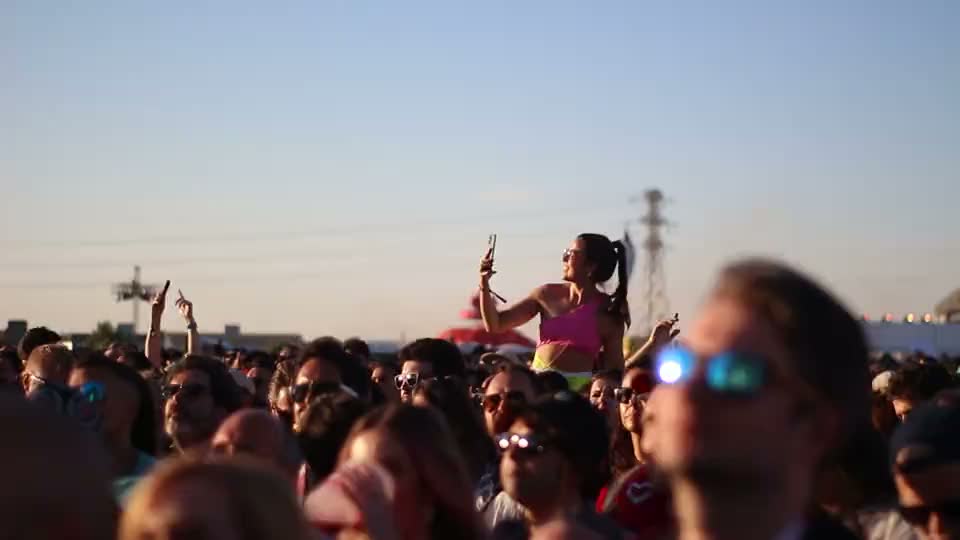
A festival is a temporary city, built in days
Strip away the lineup and a festival is a city that has to exist for one weekend, then vanish. A bare field becomes power grids, water supply, roads, fencing, stages, bars, toilets, medical tents and sleeping space for tens of thousands of people - and most of it goes up in under a week. Anyone who only attends never sees this part. It works because a small permanent team plans for months, then a wave of marquee crew, stagehands and labourers arrives, builds the place, and clears off again. Get the build and the rest of the festival makes sense.
The three phases: build, show, break
Every festival runs the same shape. Build (load-in) is the slog: usually 5-10 days of fencing, flooring, staging, rigging and infrastructure before a single ticket-holder turns up, and it is where most paid crew work sits. Show days are when the public are on site and the job switches to running the place - bar staff, stewards and litter pickers keep it moving and safe. Then break (load-out): the fastest, roughest phase, where the whole city comes down in days, usually in worse weather and worse mood than it went up. For what each phase actually demands on the ground, read what build crew do.
Who actually runs it: one organiser, many contractors
There is rarely one big company doing everything. A festival organiser holds the licence, books the talent and carries the financial risk, then hires specialist contractors for each part of the site: one firm for staging, another for power, others for fencing, marquees, bars, toilets, security. Each contractor hires its own crew. So when you turn up to work a festival, you are usually working for a contractor, not the brand on the poster. That is exactly why a direct crew list matters - the hiring is done by dozens of separate companies, and the fastest way they fill a gap is to ring someone who is already on a list. Never done it? Getting started with no experience walks you in.
How the money works, and why it costs so much
Revenue comes from a few streams: ticket sales (the big one, often around half the total), bar and food takings, trader pitch fees, and sponsorship. Against that sits a long cost list - artist fees, stage and infrastructure hire, licensing and council fees, insurance, security, medical, and the crew bill across build, show and break. Headliners and infrastructure are brutal: a main stage with full lighting and AV can run into six figures before anyone plays a note. Margins are thinner than the ticket price suggests, and a wet weekend that dents bar takings or forces refunds can wipe out a year's profit. Weather is a real financial risk, not a footnote, which is part of why crew get booked fast and the experienced ones get the first call.
How a field gets power and water
There is no mains socket in a field. Power comes from banks of diesel or HVO generators wired into temporary distribution across the site, sized and cabled by a power contractor; many festivals are moving to HVO and battery hybrids to cut fuel and emissions. Water arrives by bowser - tankers that fill temporary storage feeding bars, catering, showers and standpipes - and waste goes the other way to be pumped and carted off. All of it is laid, monitored and struck by crew, and a lot of it moves on the back of drivers and plant. Unglamorous, and it is the difference between a festival and a muddy field. For the wider industry these jobs sit inside, see how to work at festivals.
It all runs on temporary crew - which could be you
One thread runs through every part of this: a festival is built, run and broken down by temporary crew booked for the job. Thousands of paid shifts, filled in the weeks before each event, by contractors who need bodies fast. CrewPool is the list they ring. It is a directory, not an agency, so joining is free, companies contact you direct, and you agree your own rate with no cut taken out. Day rates for build and event work typically run £100–£300+; the day-rate guide breaks it down by role. Fancy being one of the people who turns the field into a city? Join the crew list free. Hiring crew for your own event instead? Search the list.
Want to be festival crew? Find work near you
Get started
Looking for work? Join the crew list free. Hiring? Search the list.