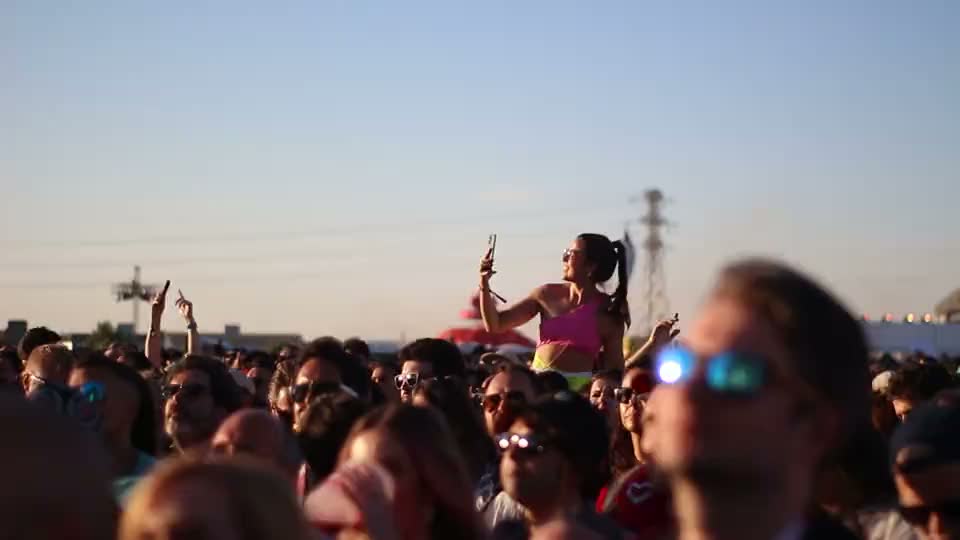
The UK festival year, in one shape
Festival work is seasonal, but the season is far longer than the weekends you see on telly. The outdoor peak runs May to early September, when most UK festivals build, run and strike. Either side of that, the work shifts rather than stops: spring brings first builds and exhibitions, autumn brings de-rigs and trade-show season, winter brings festive installs, markets and arena tours. Chase July and August only and you fight everyone for the same days, then vanish for nine months. Plan the whole year and you stay on rosters. The build, show, strike rhythm sits behind all of it.
Spring, March to May: the season wakes up
This is when the phone starts ringing again. Exhibition and conference season runs hard through spring, so stand-build, AV and steward work is steady before a single field gets pegged. By April and May, festival companies are locking summer rosters and the first marquee crews and stagehands head out for early builds. Get your name down now, not in June. The firms booking summer crew are doing it in spring, and the reliable hands from last year get first refusal.
Summer, June to early September: peak
This is the bulk of the year's festival work, full stop. Build crew go in days before gates open, then it is show-time staffing, bar staff, stewards, litter pickers, and then the strike, which often pays better because nobody wants to do it. A grafter who will travel can string festivals back to back from June to September. Rates climb in peak when crew is short; for what each role actually pays see the festival crew pay guide and the UK day rates. No experience yet? Start here; summer is the easiest time to land a first yes.
Autumn, September to November: de-rig and the exhibition swing
The fields do not clear themselves. Festival de-rigs run into October, so strike crew stay busy after the last band has gone home. As that winds down, exhibition and trade-show season ramps back up indoors, keeping stand-build, AV and stewarding ticking over. It is quieter than peak, but the crew who said yes to the muddy September strike are the ones who get the call in spring. Autumn is when the year-round regulars prove they are not just summer people.
Winter, December to February: it does not go dead
Winter is the season most people write off and shouldn't. Christmas light installs, light trails, grottos and festive lighting and AV run through December; market and chalet staffing covers the festive towns; arena and theatre get-ins peak in the colder months. January takedowns alone keep installer crews going for weeks after the holidays. Same skills, building, rigging, serving, just indoors or in high-vis under floodlights. Full breakdown in the winter event work guide.
How to be available all year
One list covers every season. Put your roles and your travel range down once, and the companies hiring for a March exhibition, a July festival build or a December light install all see the same profile; you don't reapply each season. Year-round work isn't luck, it is being on the list before the busy windows and saying yes when the awkward jobs come up. Get on the crew list, free, keep your details current, and let the work find you across the calendar. Hiring instead? Search the list.
Find festival work near you
Get started
Looking for work? Join the crew list free. Hiring? Search the list.